A coordinated intervention across four territories: Tangier, Rabat, Casablanca and the Oriental region.
← All case studies
International cooperation
Access to rights for migrants
Running a communication programme on access to rights, connecting institutions, civil society and university legal clinics across four regions of Morocco.
Consulter la fiche officielle du programmeOrganisationEnabel · European Union
PeriodApr. 2019 – Oct. 2022
RoleIntervention Officer Communication & Digitalisation
From the field
Visual traces of the assignment.
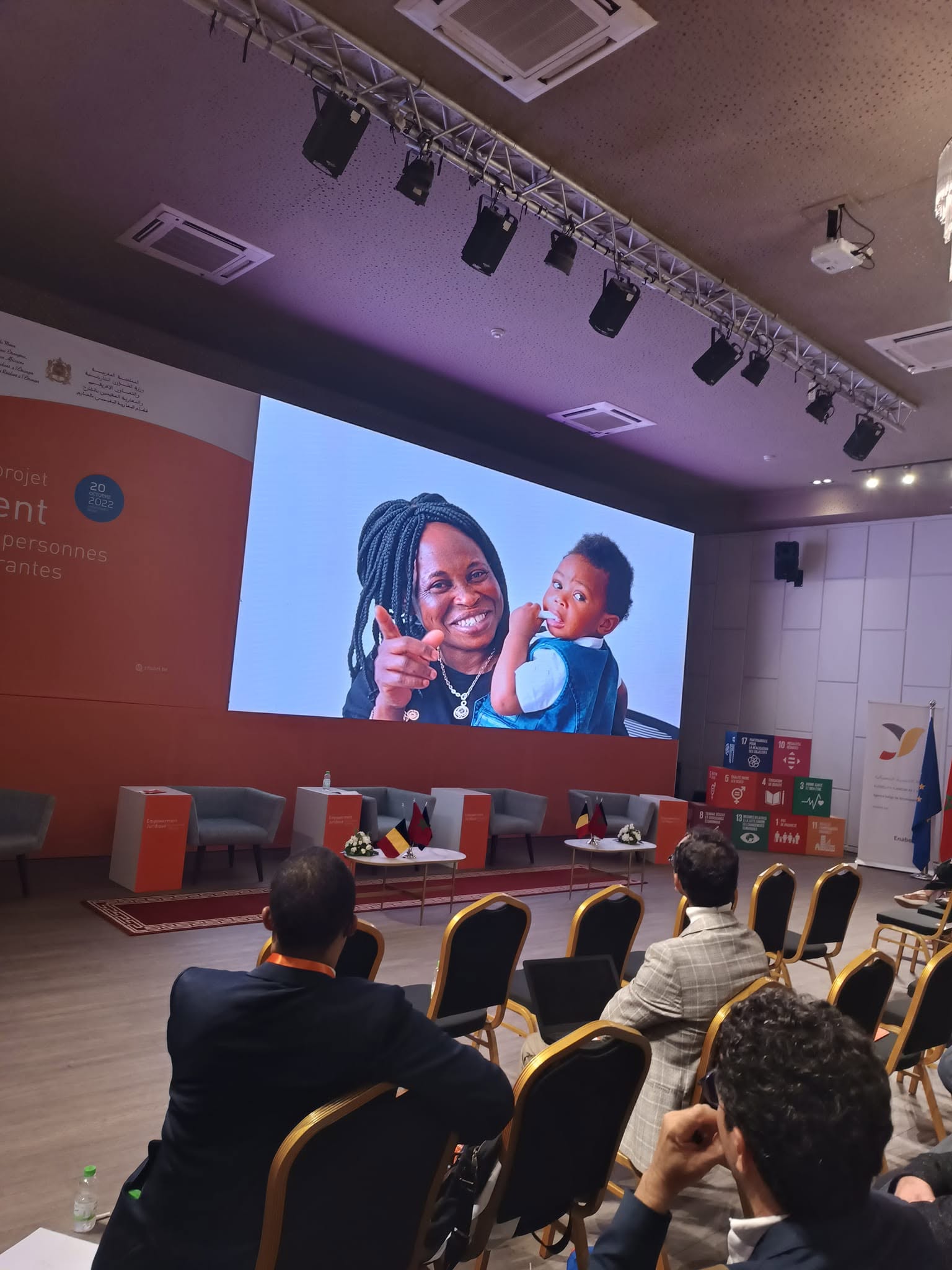
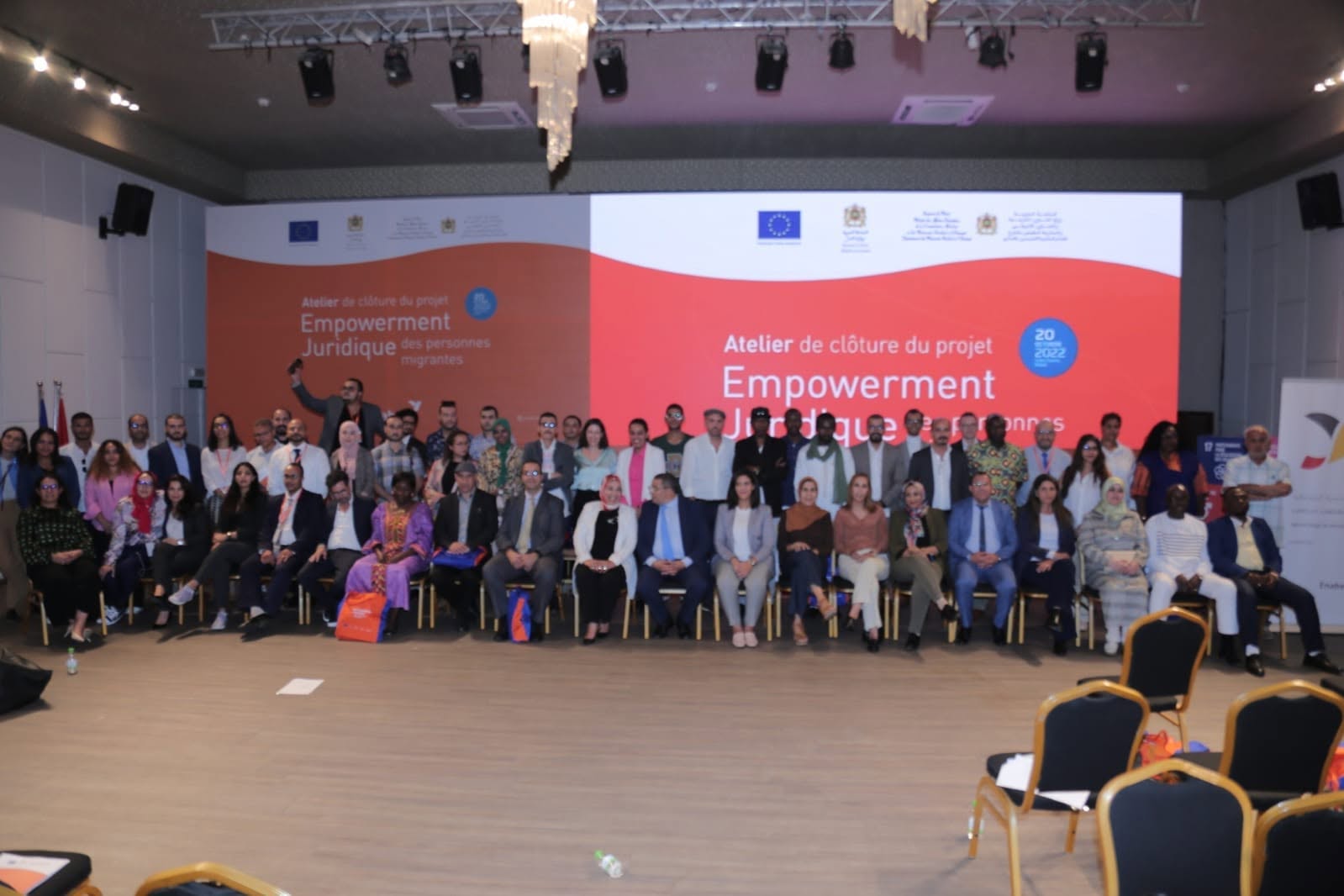
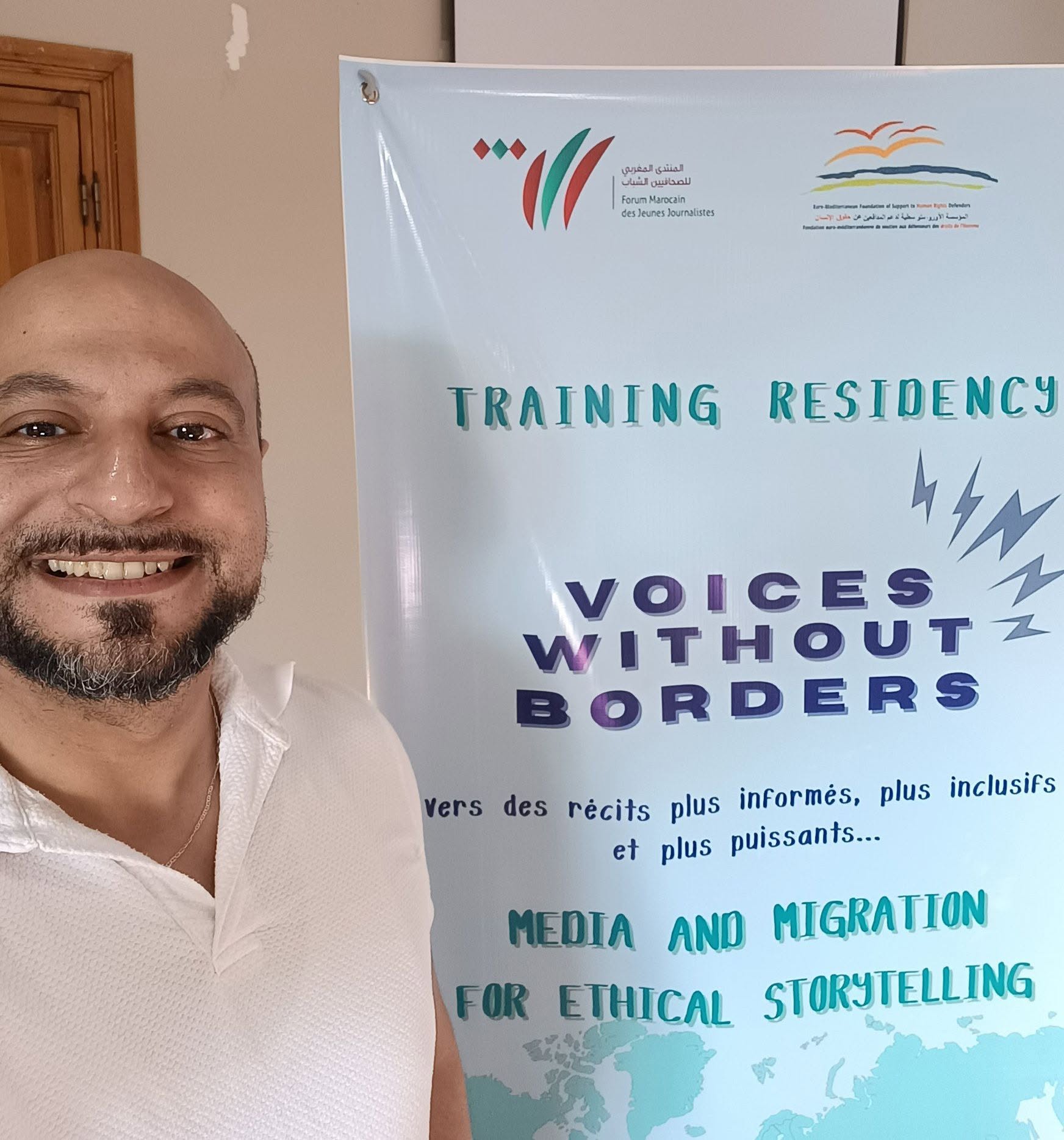
Photos of workshops, teams, events and public appearances linked to the project.
Context and role
The assignment, beyond its job title.
On this EU-funded programme implemented by Enabel, I led communication, visibility and the digital component, working with institutional partners, civil society organisations, university legal clinics and the Delegation of the European Union to Morocco. The work covered Tangier, Rabat, Casablanca and the Oriental region.
The problem
What made this project demanding.
Making a complex legal framework understandable and useful to the people it concerns, without losing precision, while aligning actors with different responsibilities and different vocabularies. It also meant rolling out multichannel communication that met EU visibility requirements, building the capacity of local NGO relays, and putting the legal clinics network on a lasting footing.
Intervention
The decisions and actions that shaped it.
An approach fitted to the context, the actors involved and the deliverables actually expected.
- 01
Translate the programme strategy into a communication and visibility system compliant with EU guidelines, steered jointly with institutional partners and the EU Delegation.
- 02
Run an awareness campaign on rights and duties, built on legally sound messages, a close reading of the audiences, and accessible formats.
- 03
Train NGOs and stakeholders across the four regions in digital communication on migrants’ rights, in the choice of words, and in preventing communication risks.
- 04
Set up strategic monitoring and data collection on developments in immigration law, to inform the programme’s content, steering and reporting.
- 05
Consolidate the network of university legal clinics, support the creation of a collaborative platform, and back the production of podcasts on rights with the legal clinic of the Casablanca Faculty of Law.
Deliverables
What was produced.
- Communication strategy, action plan and EU visibility system
- Awareness campaign on rights and duties
- Plain-language legal guide and information leaflets
- Training programme for NGOs and stakeholders across the four regions
- Collaborative digital platform for the university legal clinics network
- Editorial and technical support for podcasts on rights
- Strategic monitoring, data collection, tracking dashboards and reporting
What the assignment brought
What the work put in place.
- 120% of the communication target set in the strategy was met, within EU visibility guidelines.
- Legal information made more accessible through messages and materials designed both for the people concerned and for professionals.
- NGO teams better equipped to communicate on rights, handle the wording carefully and adapt their digital practice.
- Stronger cooperation between the university legal clinics of Rabat, Casablanca, Oujda and Tangier, supported by a shared digital space.
- Better-documented steering, thanks to monitoring, collected data and continuous tracking of communication activities.
Concrete markers
Verifiable elements, not just a description.
These markers document the scale of the assignment, what was produced and the results observed.
A complete system, from strategy to print and digital materials, taking in training, podcasts and the collaborative platform.
Delivery agreed with institutional partners, civil society organisations, universities and the Delegation of the European Union.
What this project demonstrates
A capability tested against reality.
My ability to run 360° communication for development in a sensitive institutional environment: analyse audiences, make messages safe, coordinate stakeholders, produce accessible tools, build the skills of local relays, and measure delivery against precise objectives.
A comparable challenge?